Tibetan & Nepalese Thangka Paintings
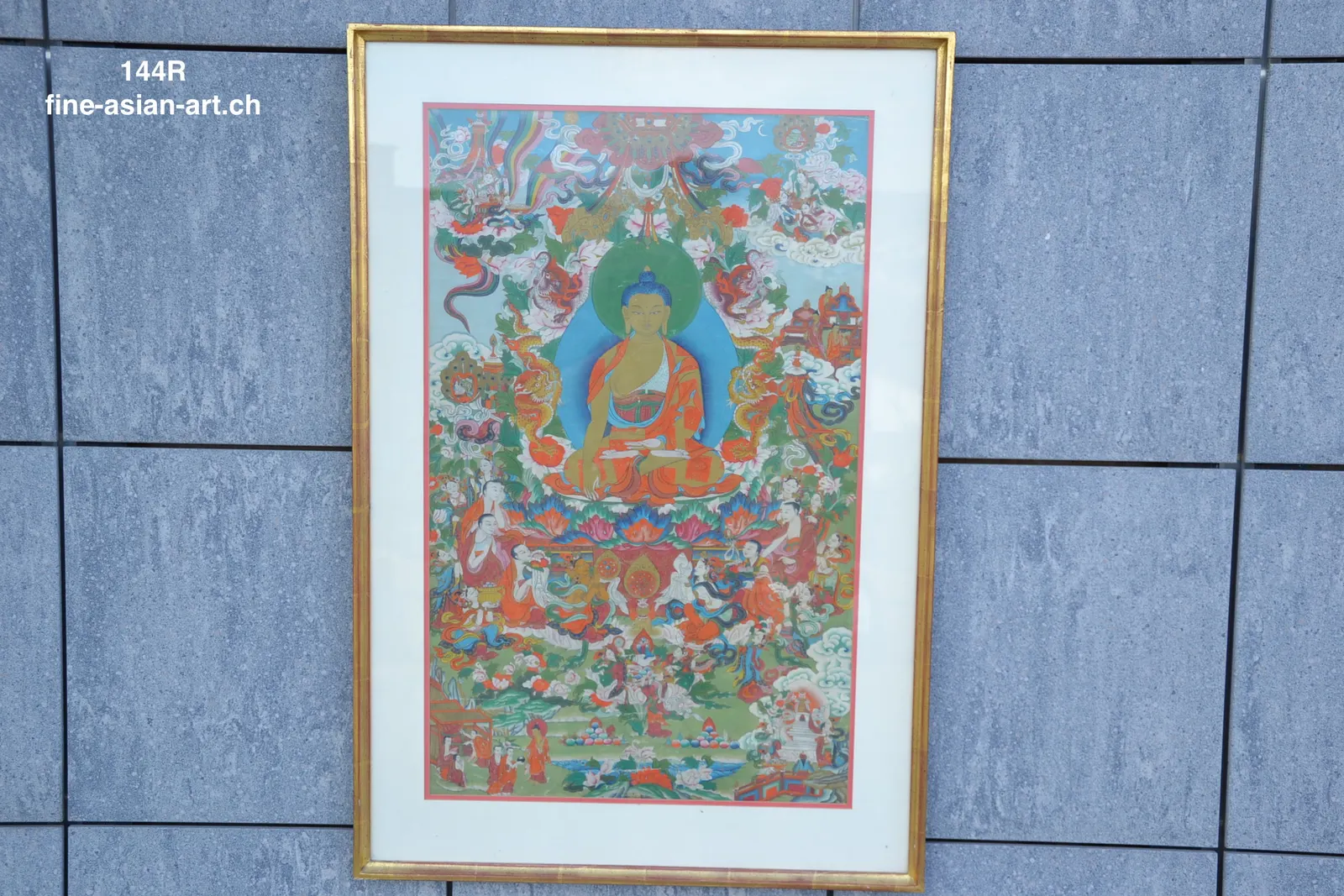
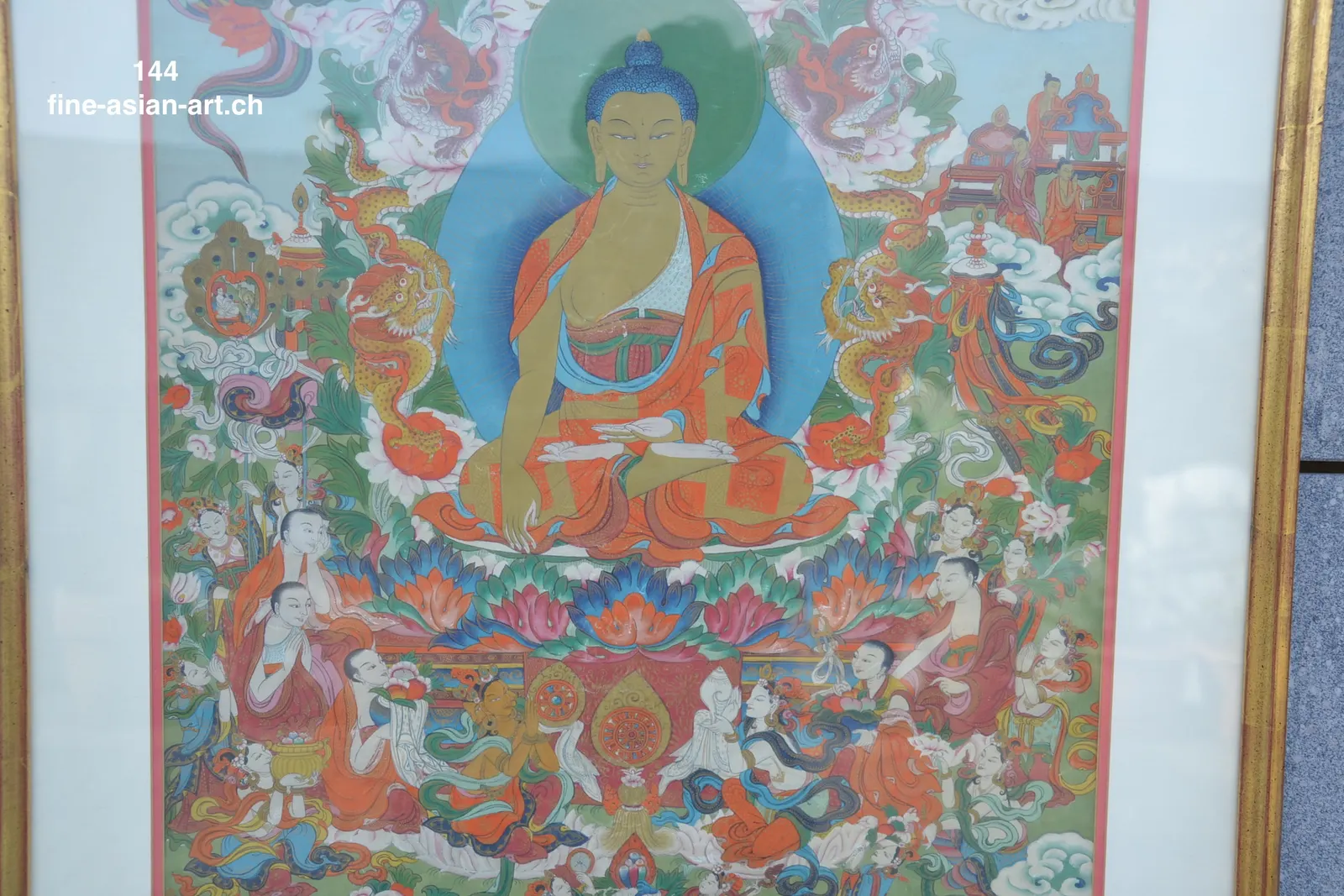
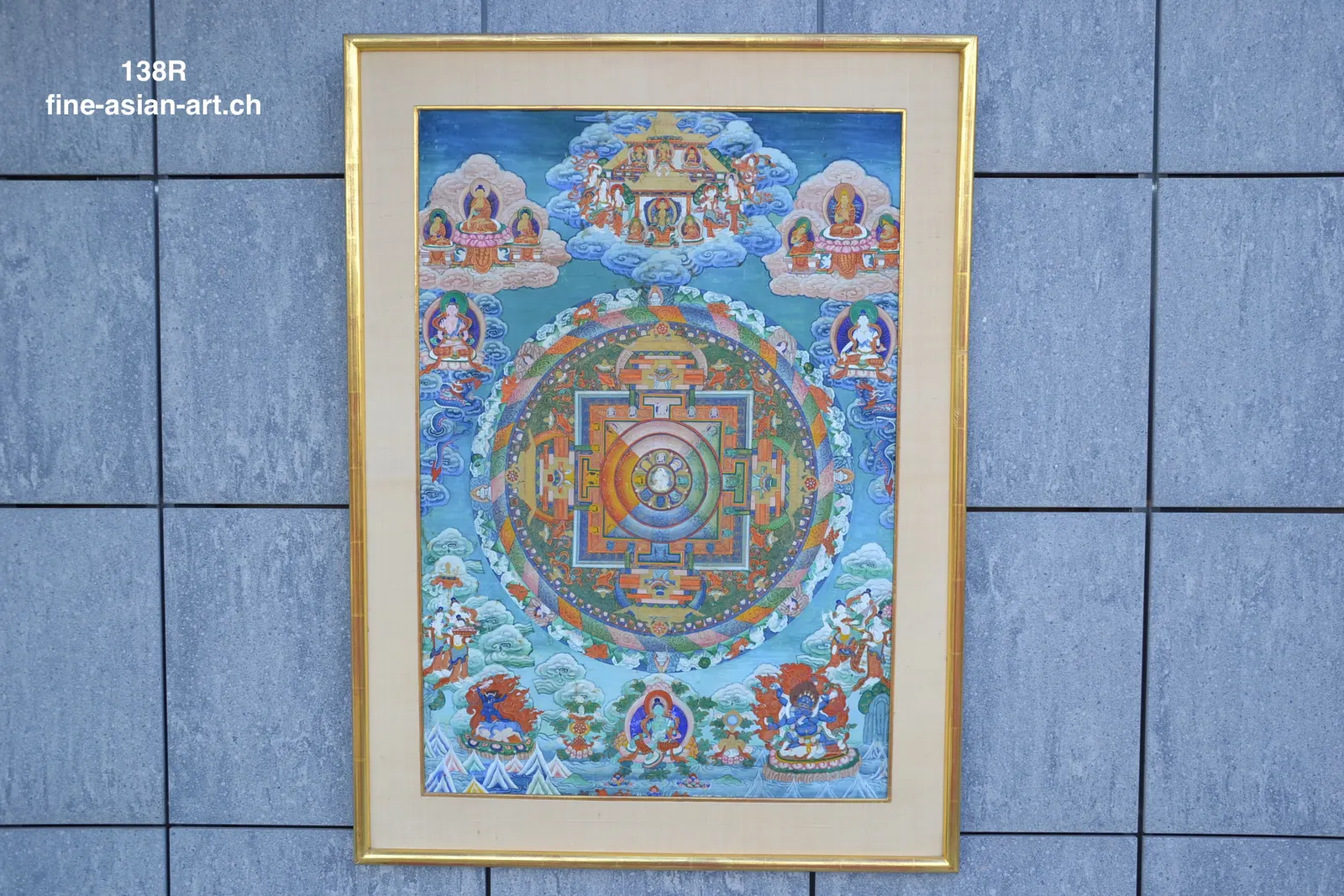
In Buddhist-Lamaist art you will often find colourful, shining and sometimes strange religious paintings. These paintings are called thangkas and usually depict the history of Buddhism, its saints and the appearance of deities. A thangka typically shows a central figure such as a deity, lama or teacher. Thangkas help to invoke the spiritual world and identify the deities; in meditation, the practitioner summons the spirits hidden in the painting and brings forth its tantric power. The well-known mandalas are also a type of thangka.
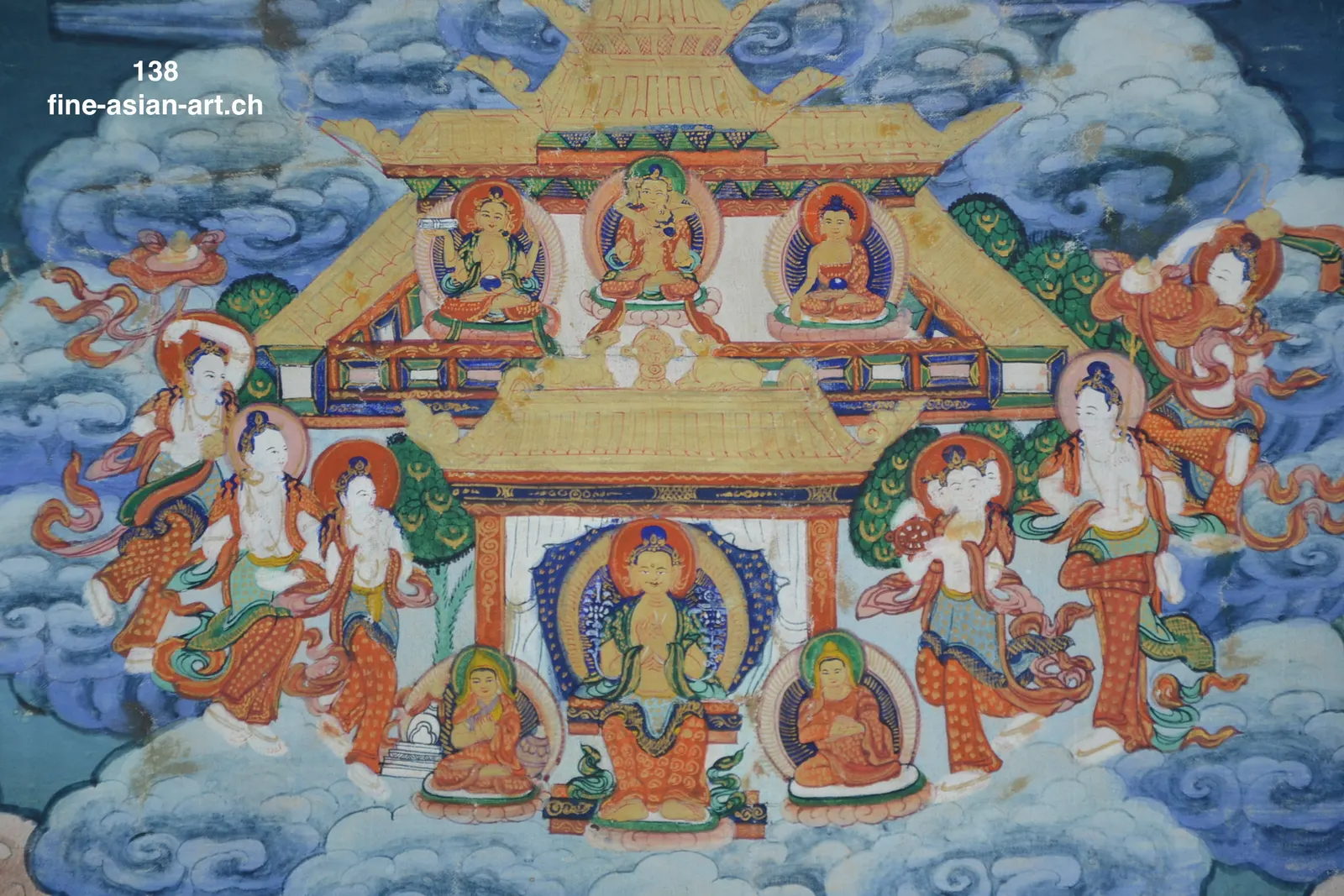
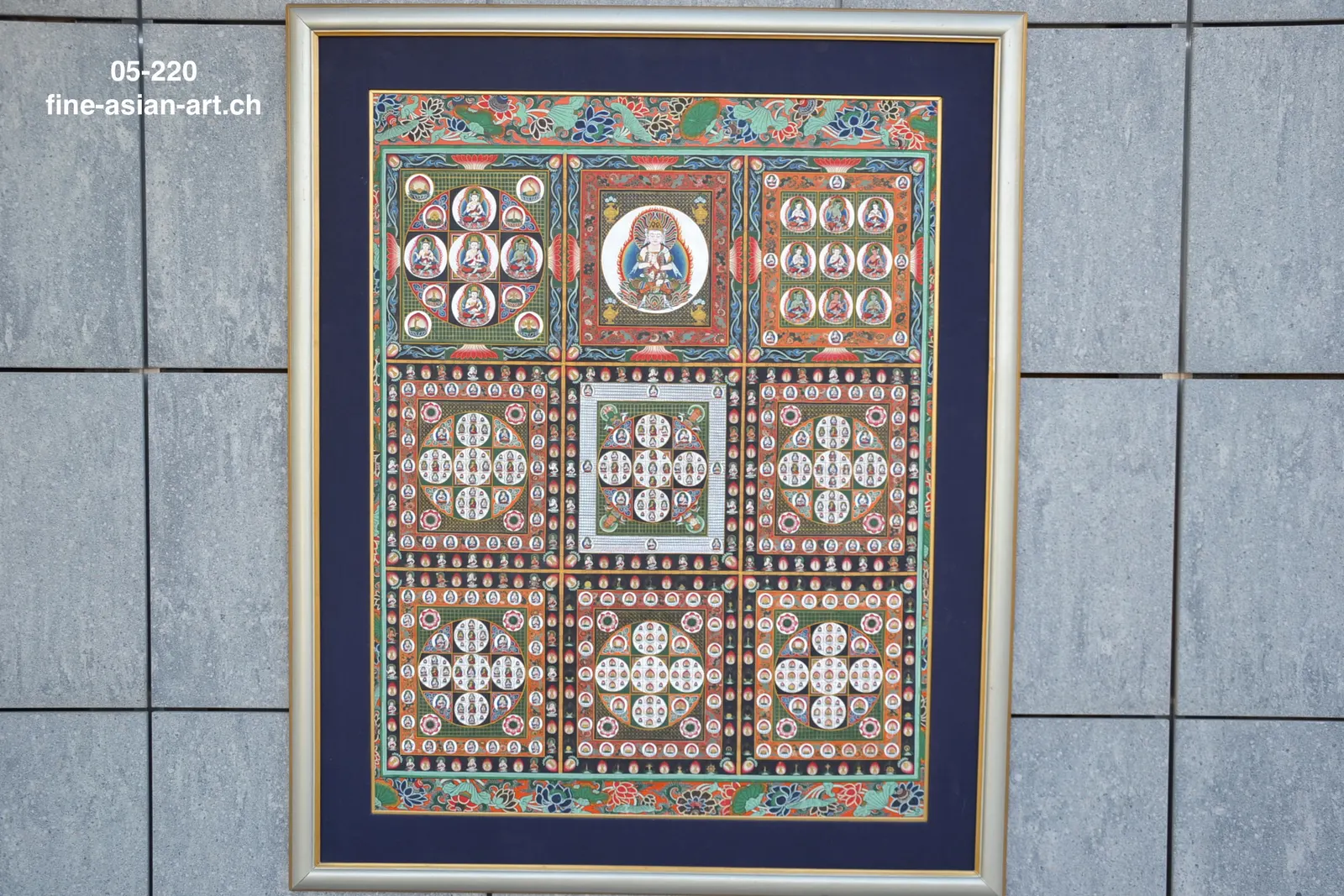
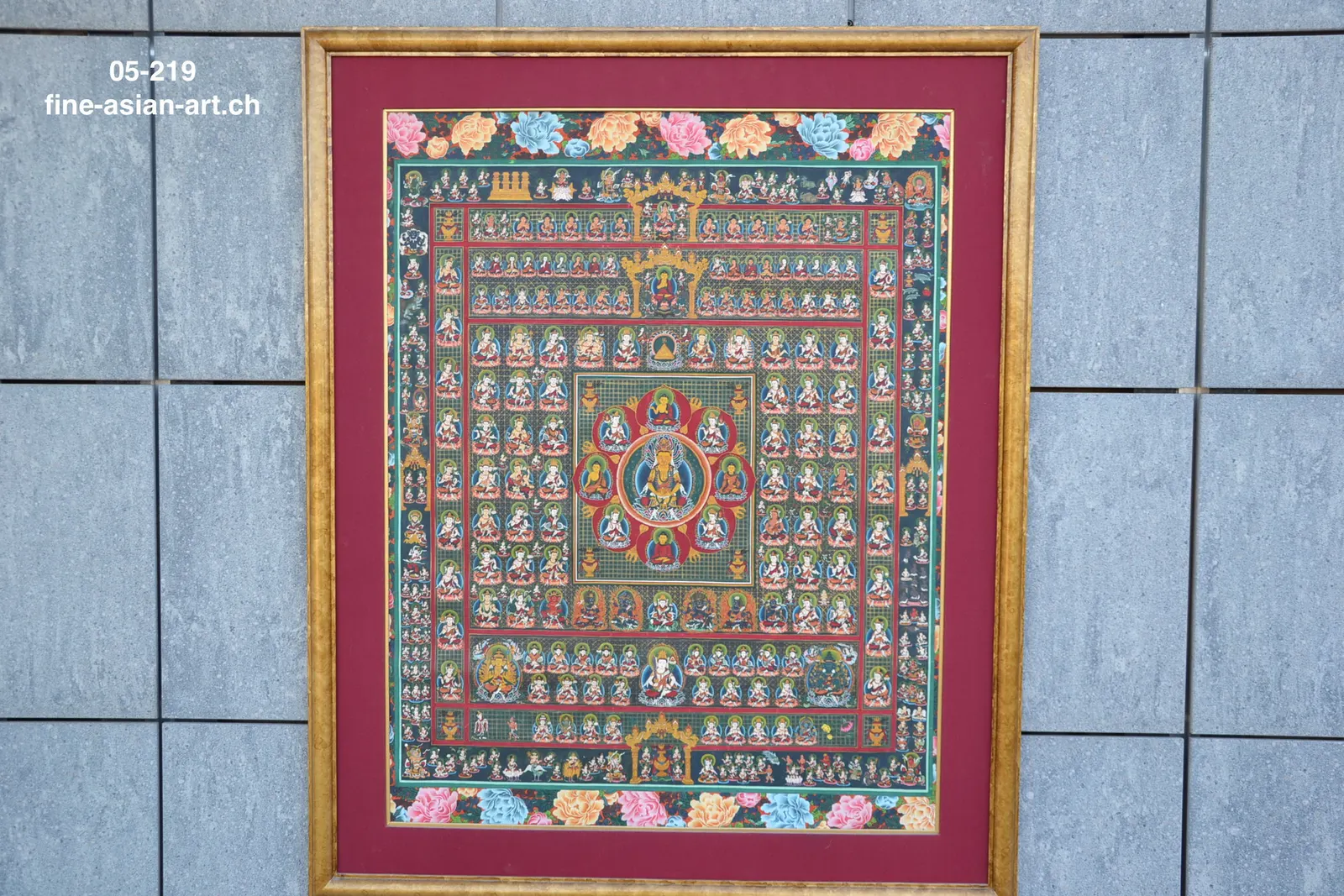
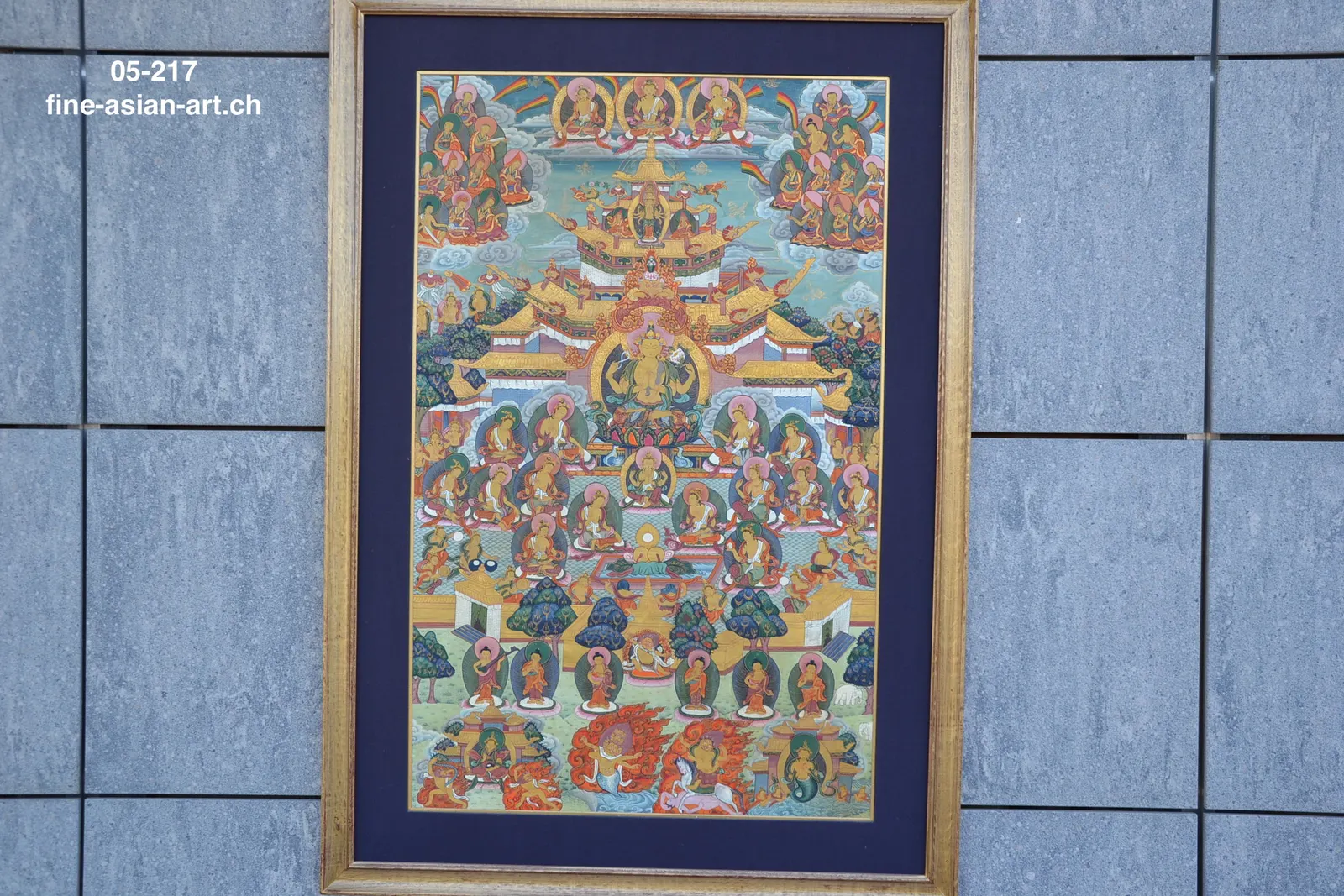
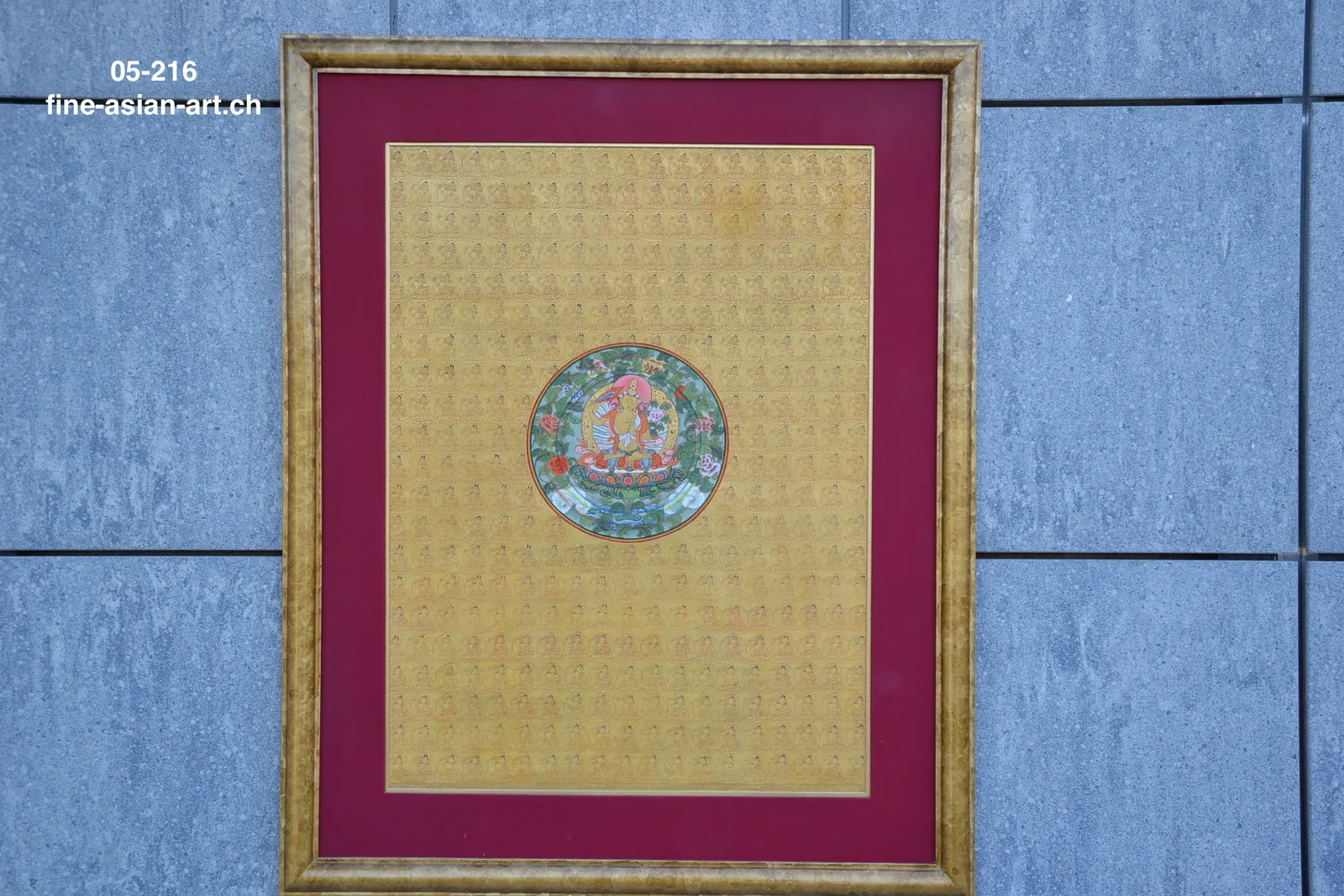
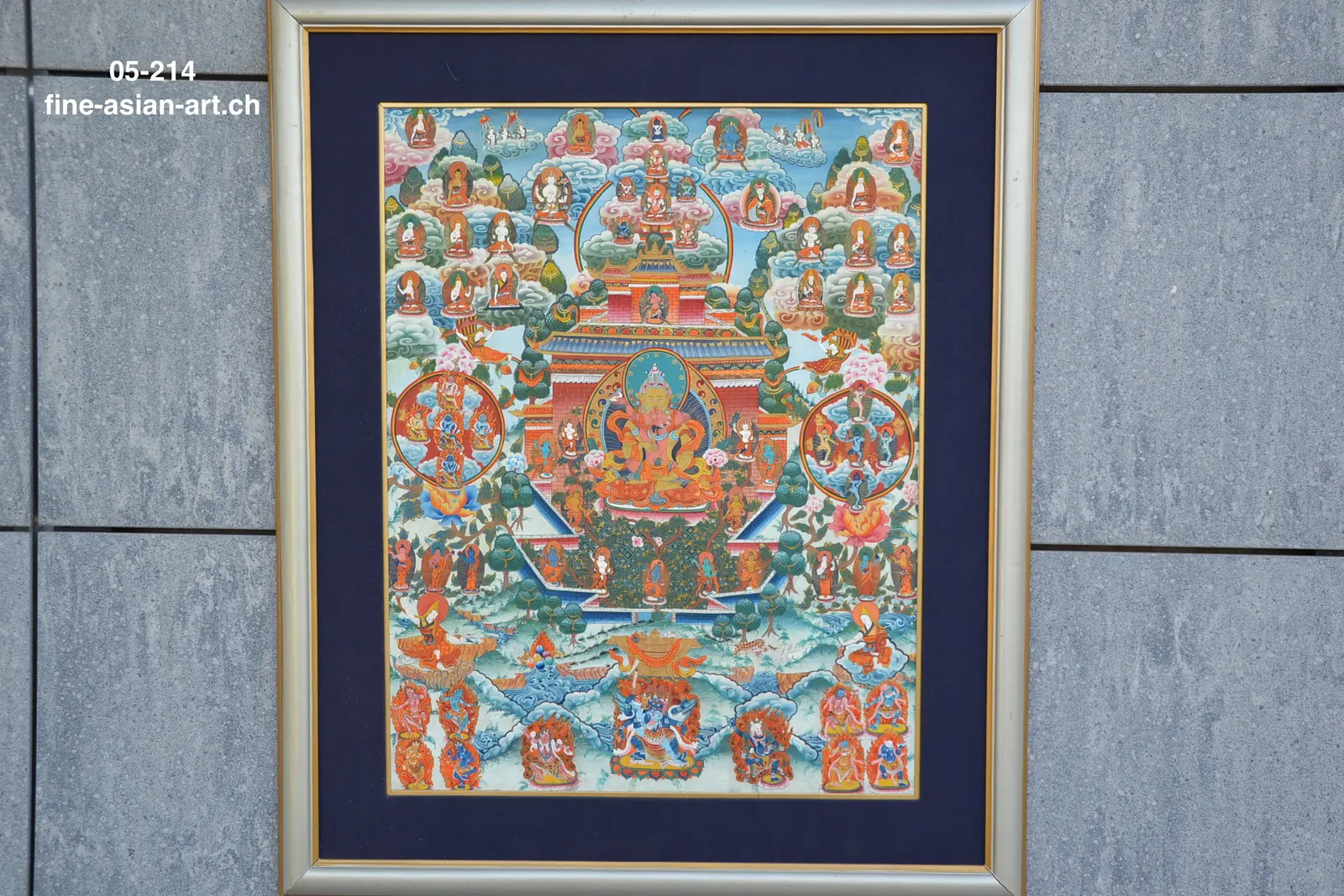
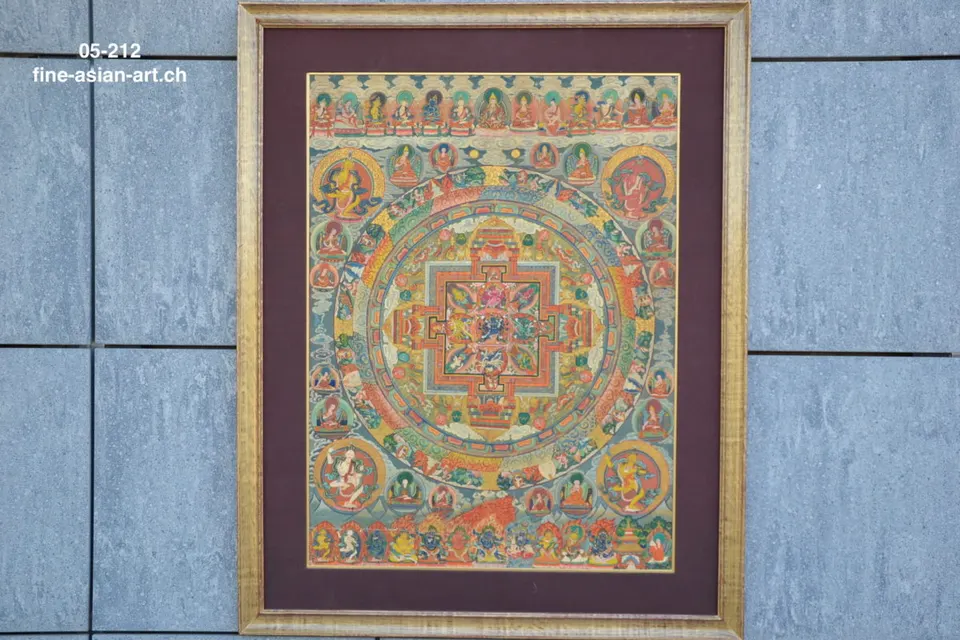
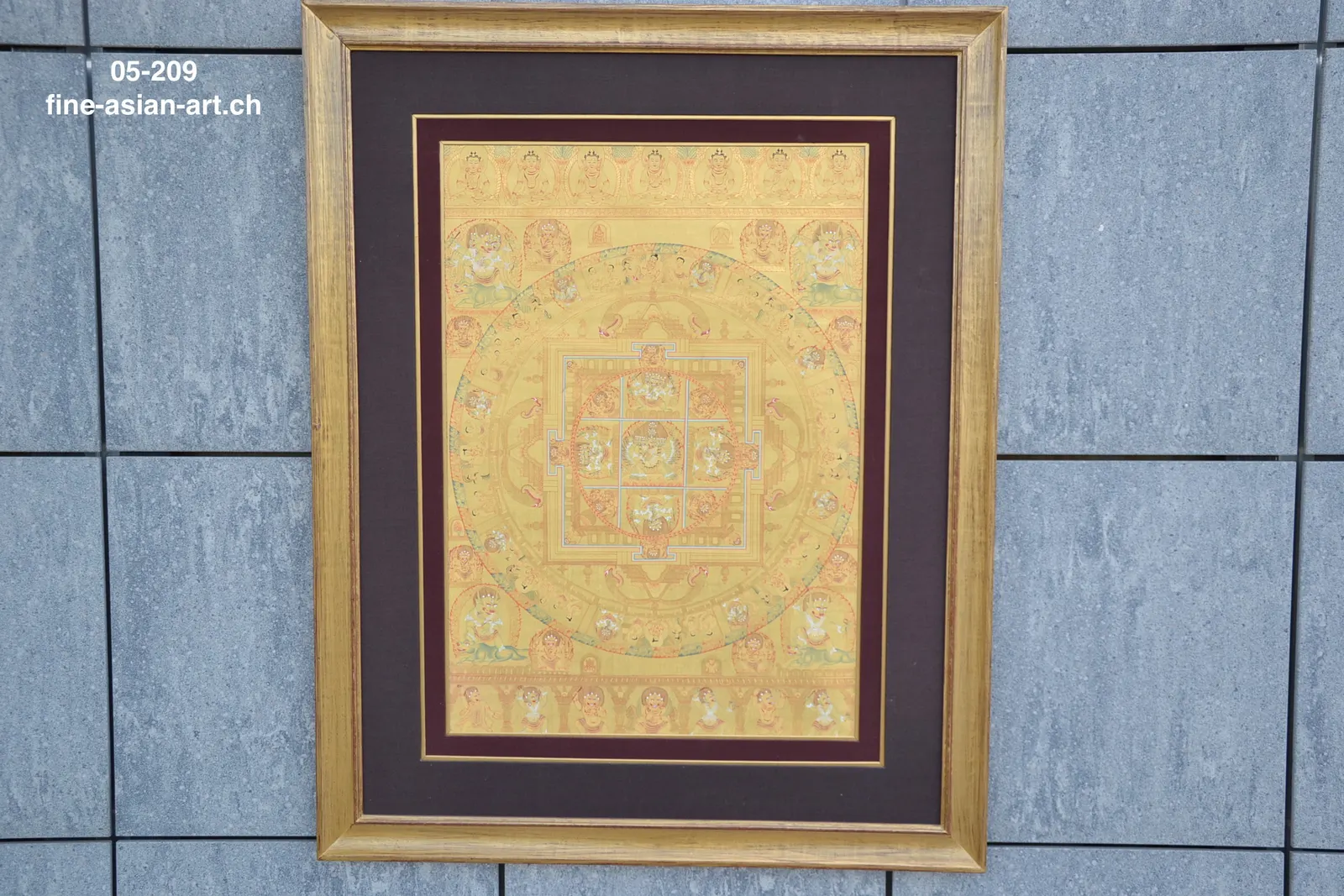
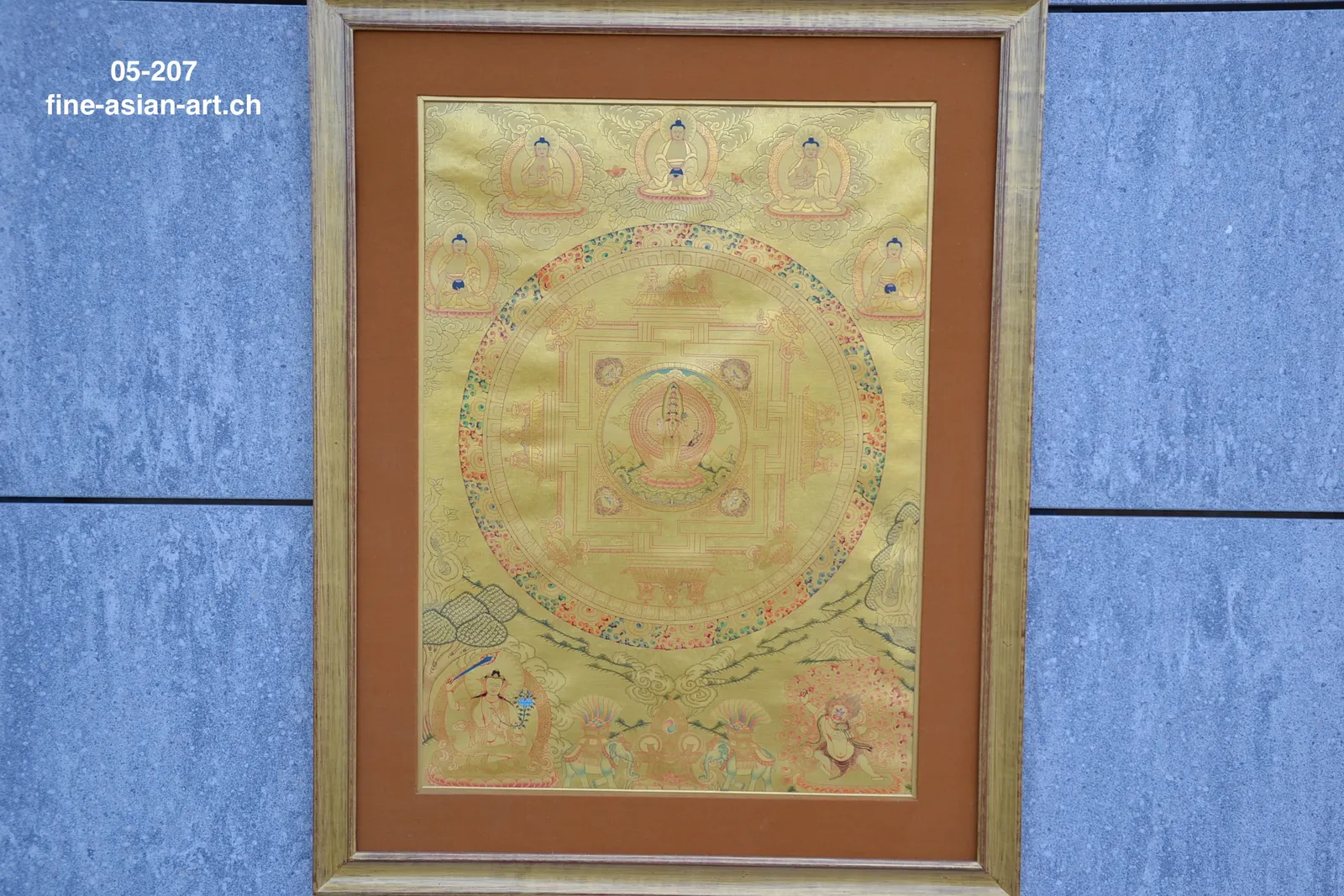
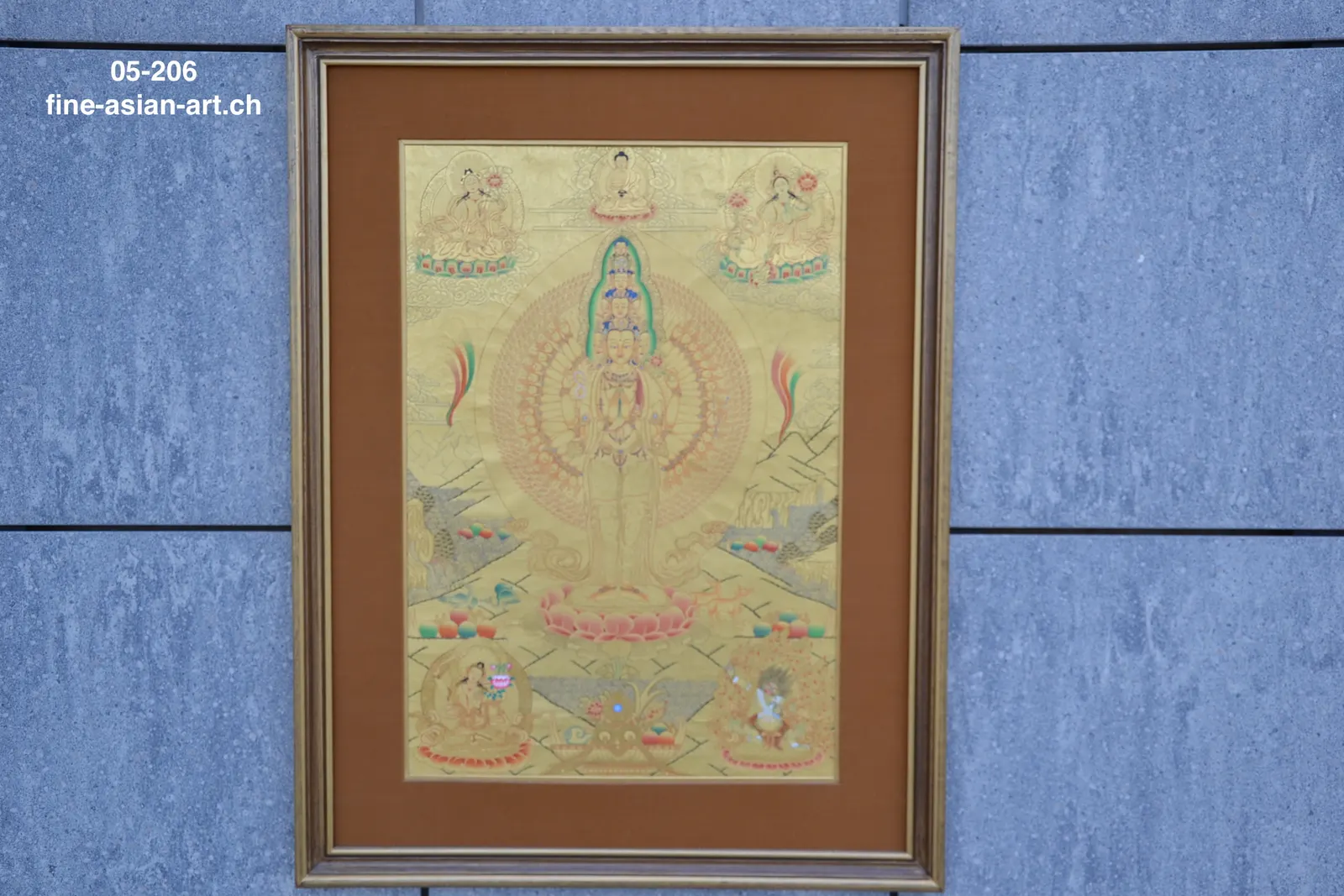
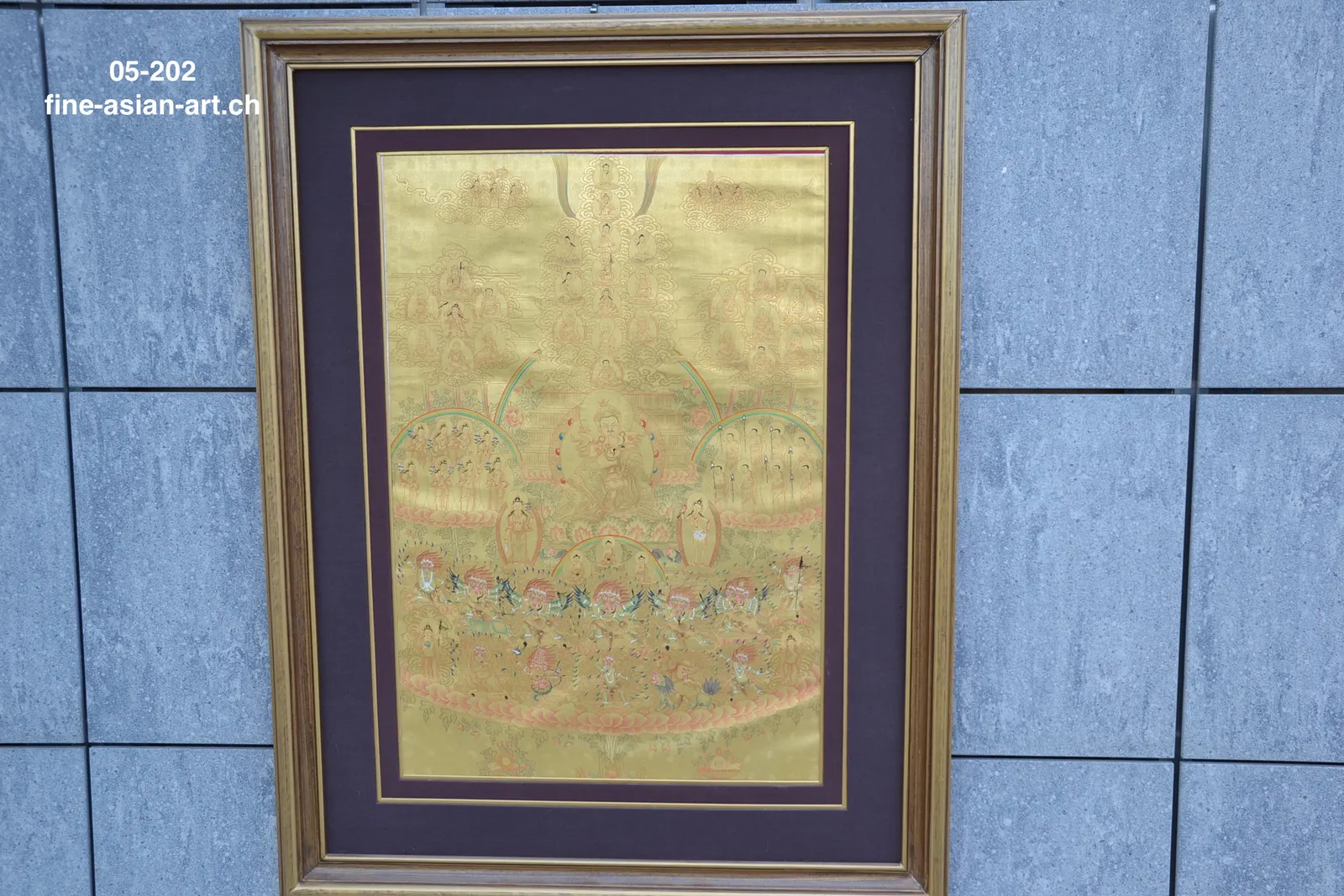
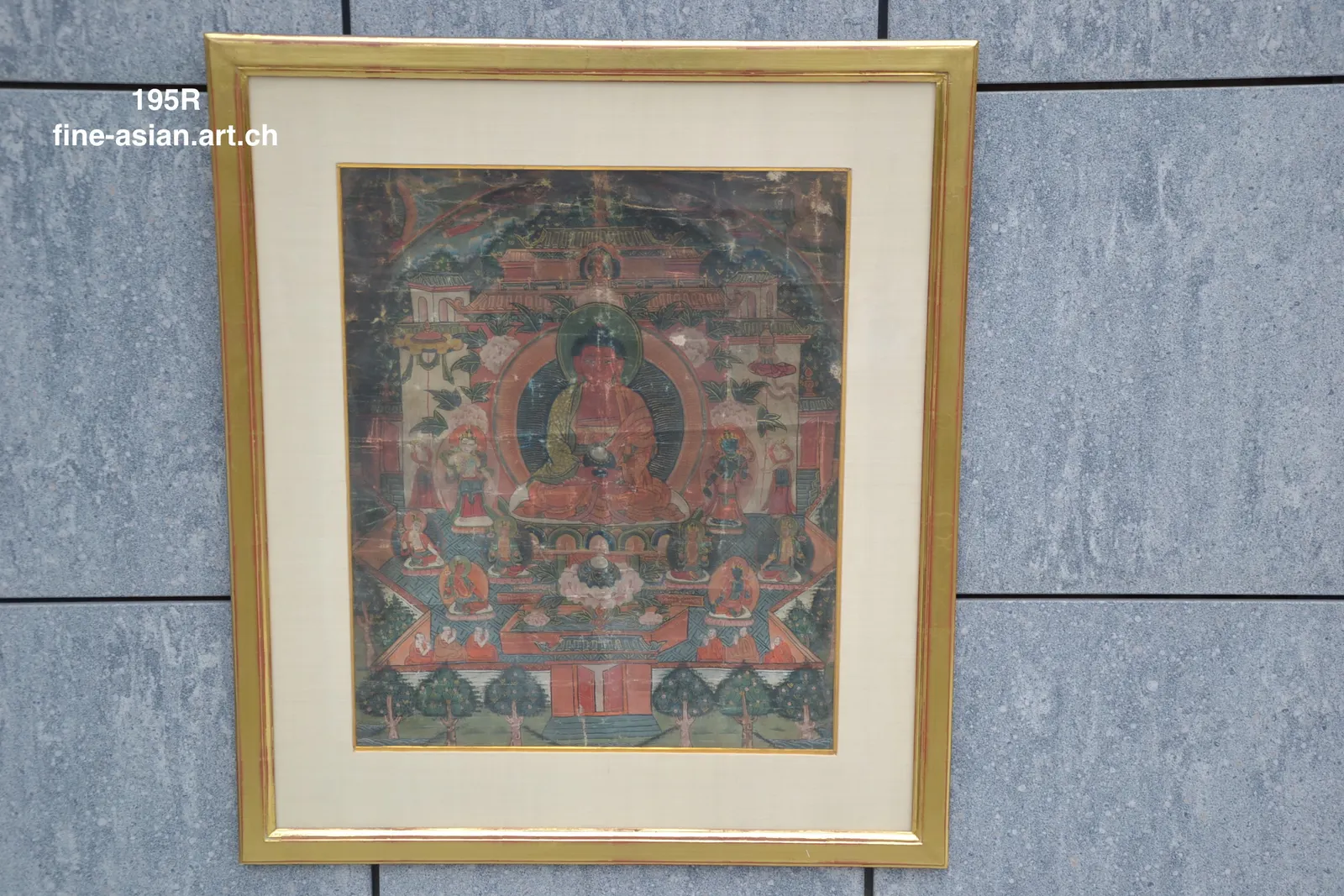
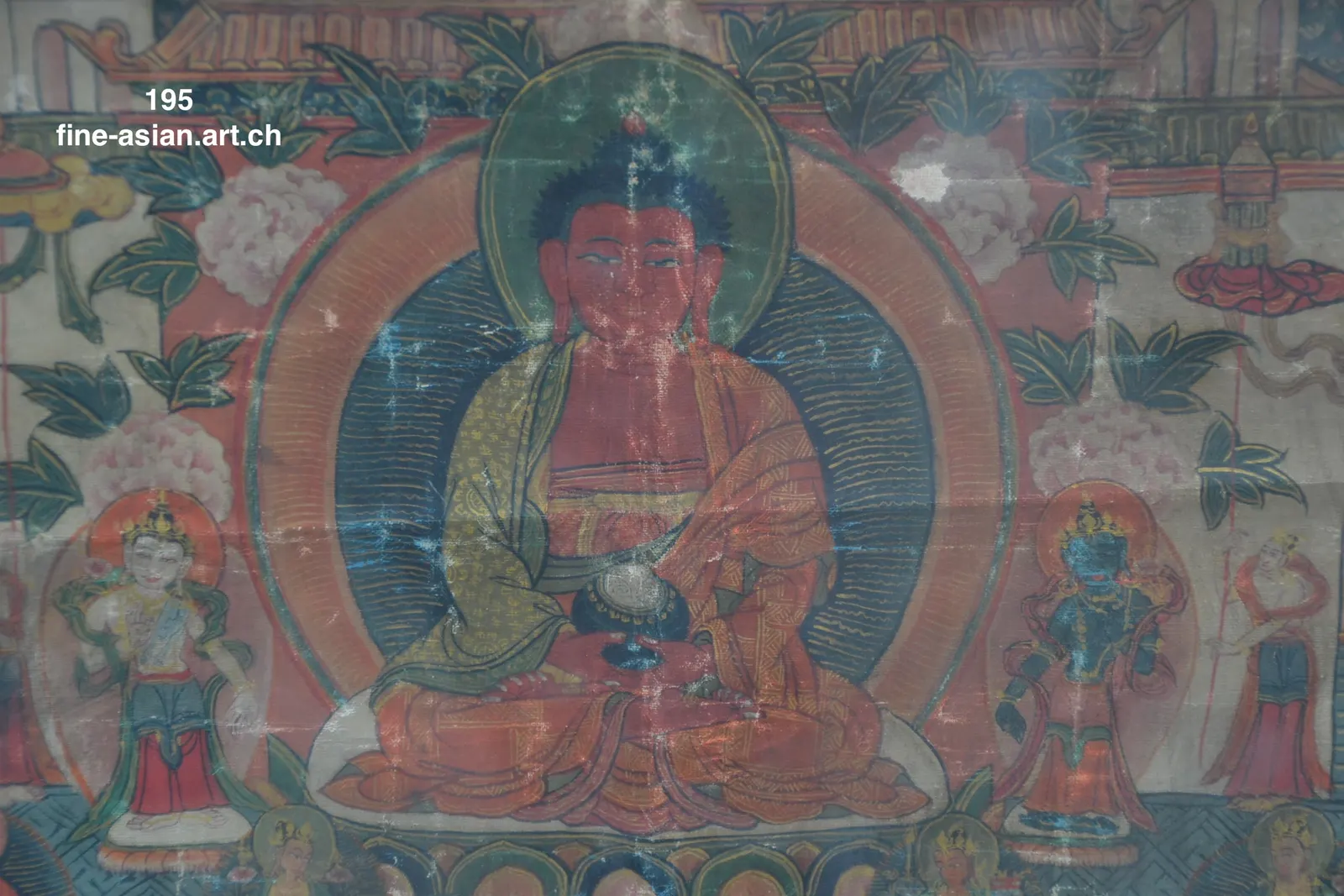
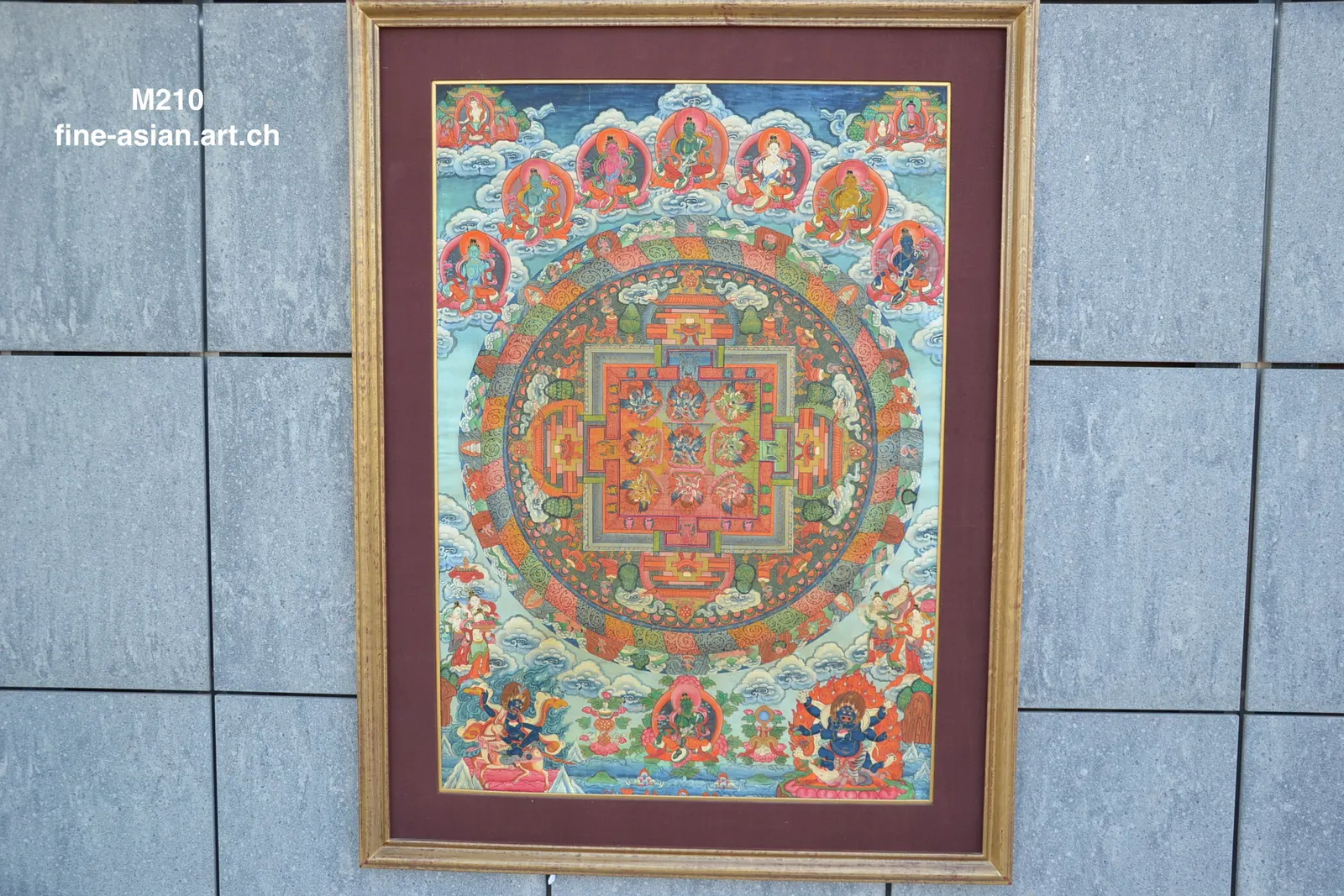
The techniques of thangka painting have remained the same for centuries: linen, more rarely silk, is stretched on a frame and primed with natural glue and chalk. The layout and figures are drawn according to canonical texts, then coloured, until the most important step follows: painting the eyes of the deities, lamas or scholars – often called “the opening of the eyes”. In the past, only natural pigments from stones, chalk, wood, soil or soot were used, and artists made their brushes from squirrel, fox or skunk hair. Because thangkas are repeatedly rolled, they quickly show abrasion, and smoke and dust in monasteries add further wear.
Today, thangkas of outstanding quality painted to canonical rules are extremely rare. Many artist families able to paint such works have turned to other businesses, while the production of “standardised” thangkas has become an entire industry in Nepal and Tibet.
I found all the thangkas shown below with the help of my local friends in my early years in Nepal, between 1979 and 1982. The thangkas at the higher price end are of superior quality. Gold was often used for finishing or base patterns, and countless details were painted to perfection.
If you are interested, I will gladly send additional photos showing finer details of the thangkas.
FAQ
How is a traditional thangka made?
Linen or silk is stretched on a frame, primed with glue and chalk, drawn according to canonical rules and painted, traditionally with mineral and natural pigments. The eyes are painted last.
When were these thangkas acquired?
All thangkas in this category were found in Nepal between 1979 and 1982 with the help of local friends.
Can I get detail photos?
Yes – I will gladly send additional photos showing finer details. Please send an inquiry.
Important: all descriptions of the thangkas were provided to Fine Asian Art by the original seller and may contain inaccuracies. All indications of age are given without scientific testing. All offers are subject to prior sale and price changes. More information or additional photos of a thangka can be provided on request.